DNRC Montana Conservation Seedling Nursery
Chokecherry
Chokecherry
Out of stock
*ORDERING QUANTITIES - our seedlings are sold in bulk*
10 - 27 cubic inch (ci) seedlings are sold in bundles of 24 (1 unit = 24 seedlings)
100 & 175 cubic inch (ci) seedlings are sold in bundles of 9 (1 unit = 9 seedlings)
-----------------------
Prunus virginiana
MITOSIS- Montana Interagency Tree Or Shrub Improvement Study. This study was a cooperative effort to evaluate the performance of various species of plants in established Montana plantings. The selected plantings were evaluated for over ten years and the best performing plants were selected for seed orchard establishment at the nursery.
Natural Habitat: Streambanks, thickets, mixed woodlands, prairies, foothill draws and disturbed sites
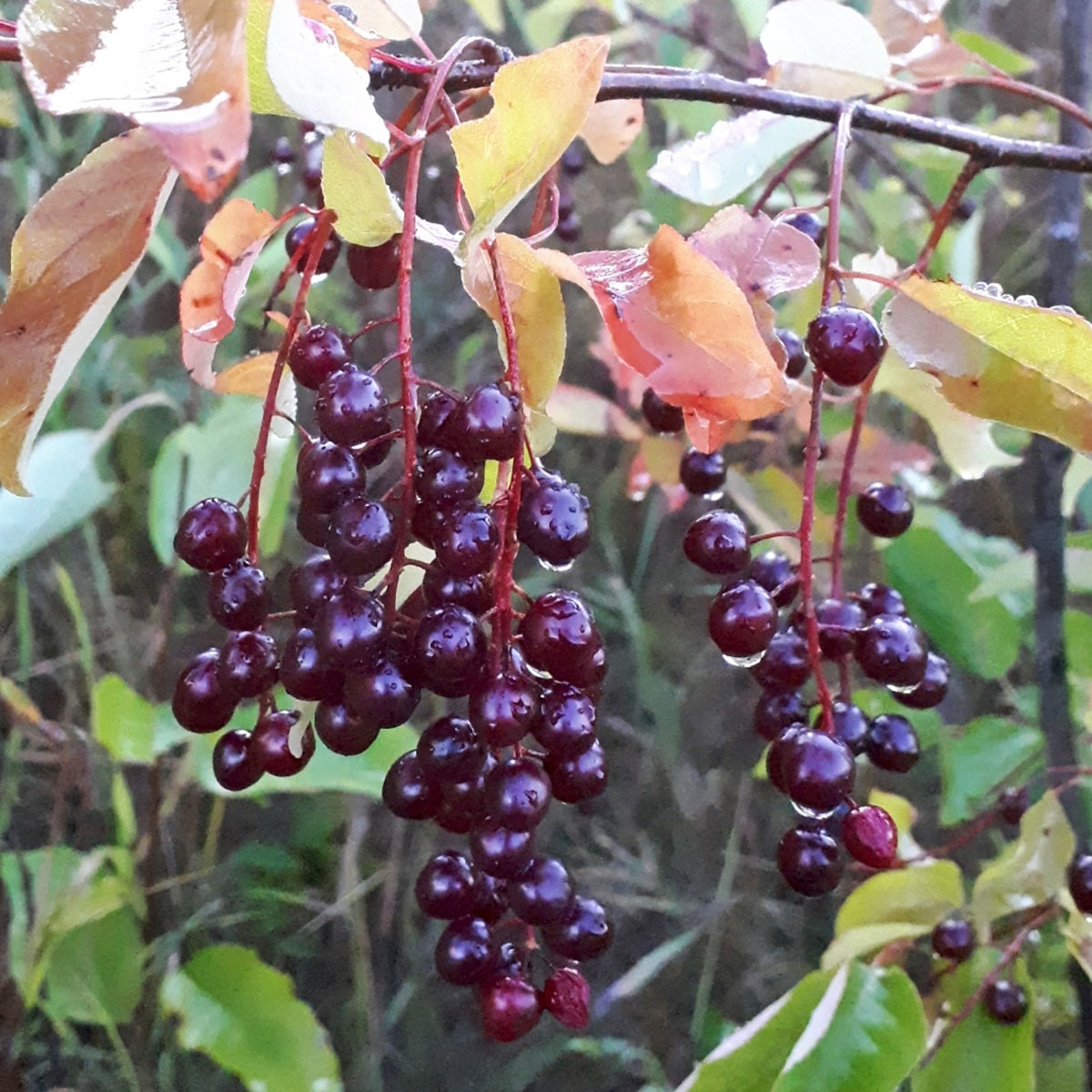
Foliage / Flowers: Deciduous large shrub or small tree, typically 10-20 ft tall. Leaves are oval, finely serrated and 2-4 in long. Fragrant white flower clusters bloom in spring, followed by dark red to black cherries in late summer.
Light Requirements: Full sun to partial shade
Growth Rate: Moderate
20-year Height: 12-20 ft
Elevation Range: Performs well from low elevations to about 7,000 ft
Cold Hardiness: USDA Zones 2 to 6
Fire Tolerance: Low to moderate, may resprout from the root crown after light fire
Wind Tolerance: High
Soil Preference: Adaptable to sandy, loamy or clay soils, prefers well-drained sites but tolerates periodic moisture
Alkali / Saline Soil Tolerance: Moderate
Life Span: Often 30-50 years
Minimum Annual Precip: Performs best with 14-20 in of annual moisture
Drought Tolerance: Moderate once established
Windbreak Spacing: 8-12 ft
Potential Pests / Disease: Black knot fungus, tent caterpillars, aphids, leaf spot and mildew
Deer Resistance: Low, browsed heavily by deer, elk, moose and rabbits
Wildlife Value:
- Flowers attract bees, butterflies and other pollinating insects
- Fruit eaten by birds, bears and small mammals
- Supports caterpillars and other insects used by nesting birds
- Dense thickets offer excellent nesting and escape cover