DNRC Montana Conservation Seedling Nursery
Honey Locust
Honey Locust
Out of stock
*ORDERING QUANTITIES - our seedlings are sold in bulk*
10 - 27 cu. in. seedlings are sold in bundles of 24 (1 unit = 24 seedlings)
100 & 175 cu. in. seedlings are sold in bundles of 9 (1 unit = 9 seedlings)
--------------------------------------------------------------
Native to: Central and eastern North America
Natural Habitat: Native to central and eastern North America. Naturally occurs in floodplains, open woodlands, streambanks, and prairie edges. Widely planted in the Great Plains and northern states for windbreaks, wildlife plantings, and urban landscapes due to adaptability and toughness.
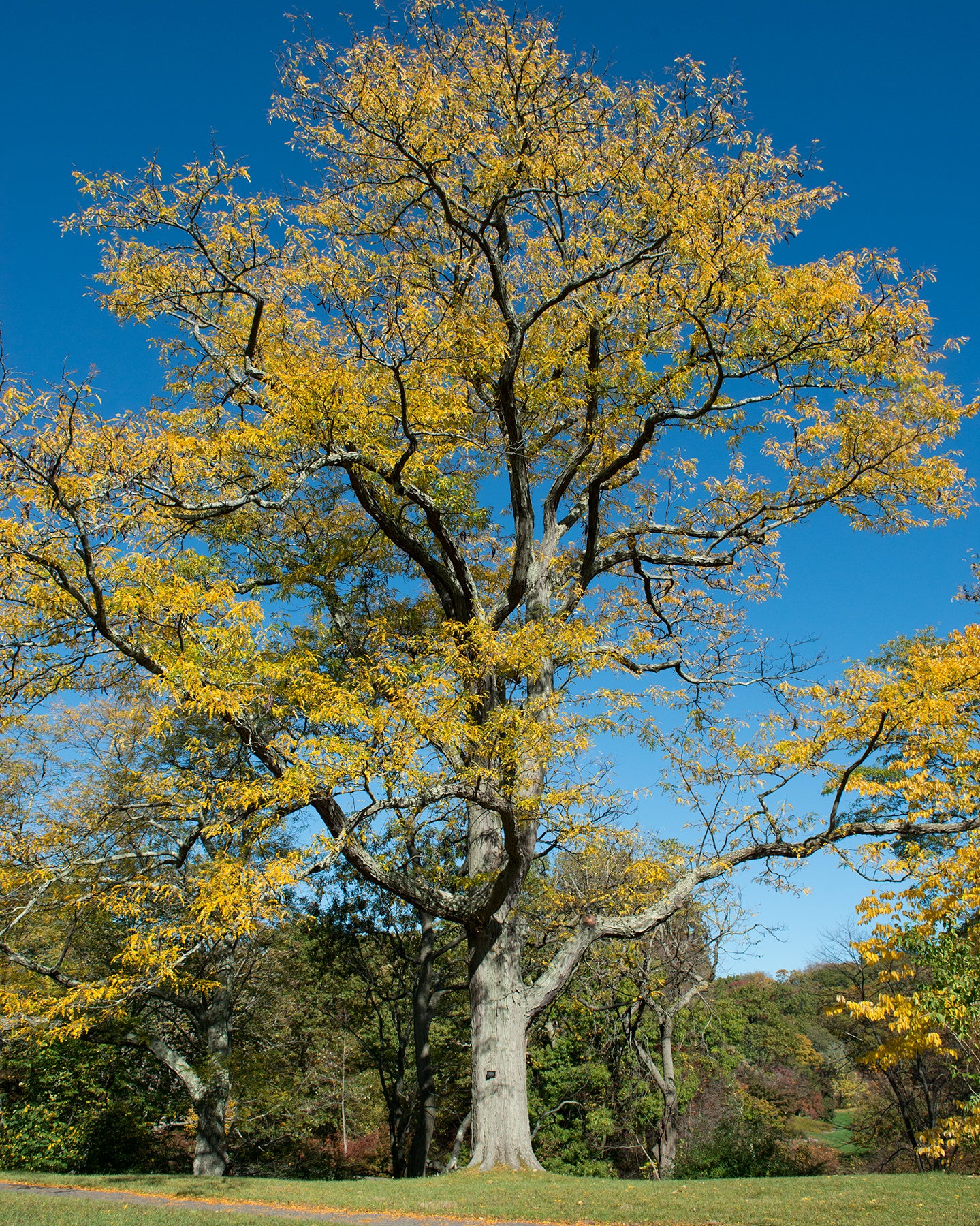
Foliage / Flowers: Fine-textured compound leaves (small leaflets) that create light, filtered shade; bright yellow fall color. Small greenish-yellow fragrant flowers in late spring. Female trees produce long twisted seed pods.
Thorns: Yes
Light Requirements: Full sun
Growth Rate: Moderate to fast
20-year Height: 35–50 feet tall
Elevation Range: Up to 5,500 feet
Cold Hardiness: Zone 3–8
Wind Tolerance: High, flexible branches tolerate wind well
Soil Preference: Highly adaptable; tolerates clay, loam, sandy, compacted, and low-fertility soils. Prefers well-drained soils but handles periodic flooding.
Alkali / Saline Soil Tolerance: Moderate to high tolerance
Life Span: 80–120+ years
Minimum Annual Precipitation: 14–16 inches
Drought Tolerance: High once established
Windbreak Spacing: 12–18 feet between trees within a row; 20–30 feet between rows in multi-row plantings.
Potential Pests / Disease: Honeylocust plant bug, spider mites, cankers, webworms; generally low disease pressure in northern climates.
Deer Resistance: Moderate, young trees may be browsed.
Wildlife Value:
• Seed pods eaten by deer, livestock, and small mammals
• Flowers provide nectar for pollinators
• Provides nesting and cover habitat
• Nitrogen-fixing species (improves soil fertility)