DNRC Montana Conservation Seedling Nursery
Idaho Fescue
Idaho Fescue
Out of stock
*ORDERING QUANTITIES - our seedlings are sold in bulk*
10 - 27 cubic inch (ci) seedlings are sold in bundles of 24 (1 unit = 24 seedlings)
100 & 175 cubic inch (ci) seedlings are sold in bundles of 9 (1 unit = 9 seedlings)
-----------------------
Festuca idahoensis
Natural Habitat: Grasslands, sagebrush steppe, open woodlands, montane meadows, and dry slopes
Foliage / Flowers:
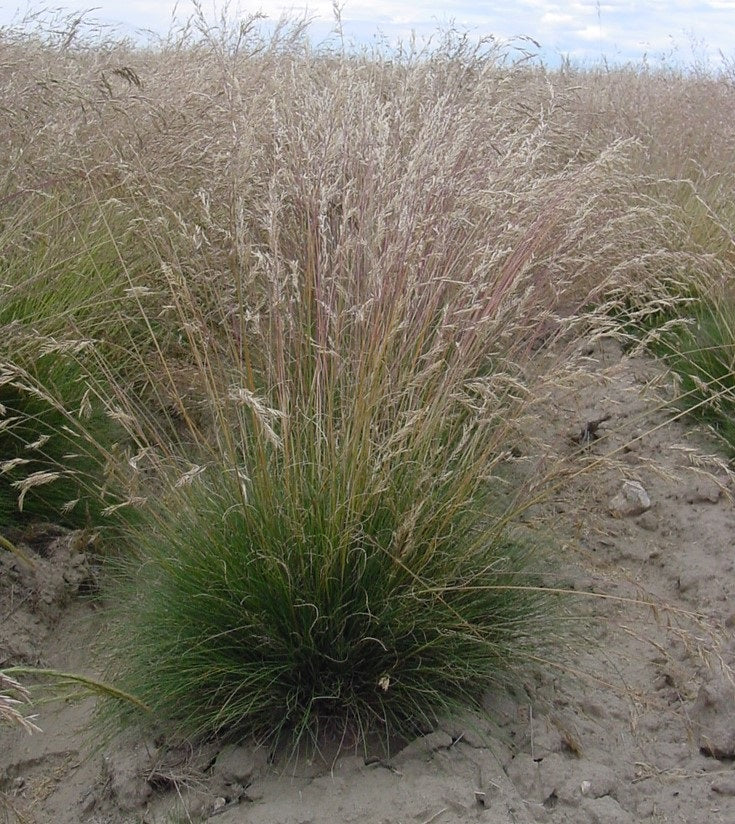
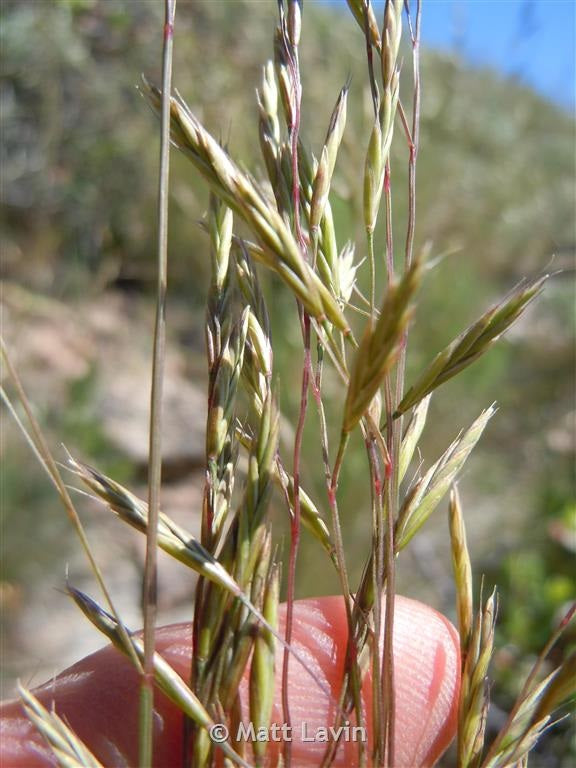
Densely tufted perennial bunchgrass, 12–31 in tall, with fine rolled blue-green leaves at the base. Inflorescences are narrow panicles appearing in late spring to early summer, producing hairy spikelets and awned seeds.
Light Requirements: Full sun to partial shade
Growth Rate: Moderate, green-up early in spring
20‑year Height: 18–31 in
Elevation Range: ~300–13,200 ft depending on region; common in Montana foothills and montane areas
Cold Hardiness: USDA Zones 2–7; survives down to around –40 °F
Fire Tolerance: Medium; survives some fire, lacks rhizomes but can regrow from tillers and seedbank
Wind Tolerance: High; forms resilient tussocks
Soil Preference: Well-drained sandy, silty, or loamy soils; tolerates coarse substrates
Alkali / Saline Soil Tolerance: Moderate; adapts to a range of pH
Life Span: Long-lived perennial; can persist for decades
Minimum Annual Precip: ~12–20 in; adapted to semi-arid conditions
Drought Tolerance: Good once established; deep fibrous roots aid moisture capture
Windbreak Spacing: 1–3 ft between clumps in restoration plantings
Potential Pests / Disease: Generally disease-resistant; little to no pest issues
Deer Resistance: Moderate; grazed by deer, elk, and livestock in spring
Wildlife Value:
- Provides early spring forage for elk and deer
- Seed heads feed small mammals and ground‑foraging birds
- Dense thatch offers cover and overwintering habitat for insects and birds
- Serves as larval host for skipper butterflies