DNRC Montana Conservation Seedling Nursery
Lodgepole Pine
Lodgepole Pine
Out of stock
*ORDERING QUANTITIES - our seedlings are sold in bulk*
10 - 27 cu. in. seedlings are sold in bundles of 24 (1 unit = 24 seedlings)
100 & 175 cu. in. seedlings are sold in bundles of 9 (1 unit = 9 seedlings)
---------------------------------------------------------------------------------------
Pinus contorta
Native species
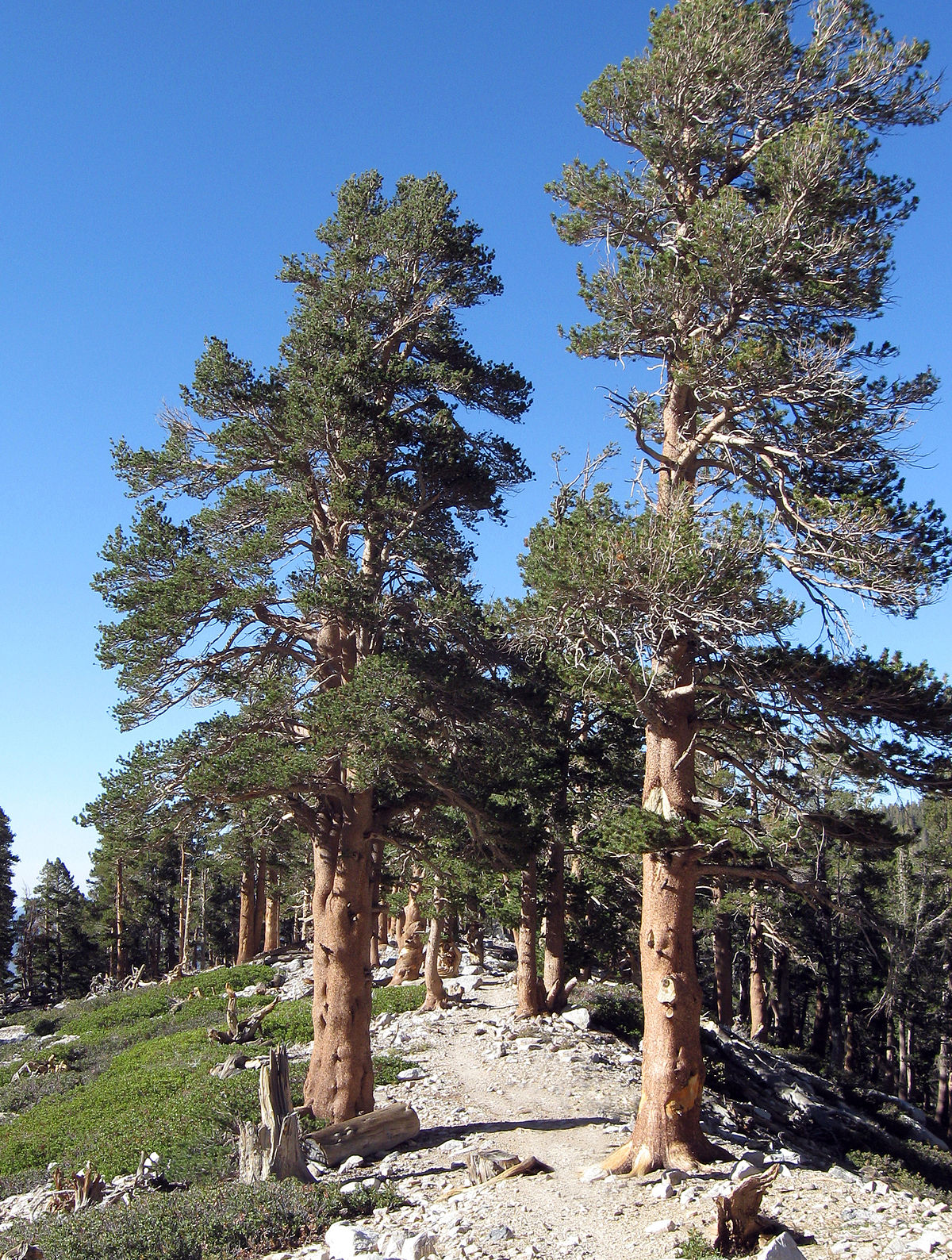
Natural Habitat: Common in montane forests, foothills, and subalpine zones; found on dry rocky slopes, volcanic soils, and moist valley bottoms. Often a pioneer species following fire and disturbance.
Foliage / Flowers: Evergreen conifer with stiff, twisted needles in bundles of two; dark green to yellow-green. Produces small yellow pollen cones in spring and woody cones that may remain closed (serotinous) until exposed to heat.
Light Requirements: Full sun to light shade; best growth in open sun
Growth Rate: Moderate to fast when young
20-year Height: 30–50 feet tall
Elevation Range: 2,000–10,500 feet
Cold Hardiness: Zone 2–6
Wind Tolerance: High, flexible stems and narrow crown tolerate wind and snow loading.
Soil Preference: Adaptable; grows in sandy, gravelly, rocky, or loamy soils. Prefers well-drained soils but tolerates poor, shallow, and low-nutrient sites.
Alkali / Saline Soil Tolerance: Low tolerance.
Life Span: 100–200 years (shorter in harsh environments).
Minimum Annual Precipitation: 14–18 inches (snowpack important at higher elevations).
Drought Tolerance: Moderate once established.
Windbreak Spacing: 10–14 feet between trees in single rows; 16–24 feet between rows for multi-row windbreaks.
Potential Pests / Disease: Mountain pine beetle, pine engraver beetle, needle cast, dwarf mistletoe, root rot in poorly drained soils.
Deer Resistance: Moderate, seedlings and young trees may be browsed or rubbed.
Wildlife Value:
• Seeds consumed by birds and small mammals
• Provides cover and nesting habitat
• Important watershed protection and soil stabilization species
• Supports forest biodiversity and post-fire regeneration