1
/
of
1
DNRC Montana Conservation Seedling Nursery
Slender Wheatgrass
Slender Wheatgrass
Regular price
$0.00 USD
Regular price
Sale price
$0.00 USD
Unit price
/
per
Out of stock
*ORDERING QUANTITIES - our seedlings are sold in bulk*
10 - 27 cu. in. seedlings are sold in bundles of 24 (1 unit = 24 seedlings)
100 & 175 cu. in. seedlings are sold in bundles of 9 (1 unit = 9 seedlings)
-----------------------
Elymus trachycaulus
Native Range: Much of western and central North America, from Alaska and western Canada to the Great Plains and Mexico; absent in most southeastern U.S.
Natural Habitat: Dry to mesic sagebrush steppe, foothills, badlands, dry forests, riparian edges, saline plains, sand and stony soils
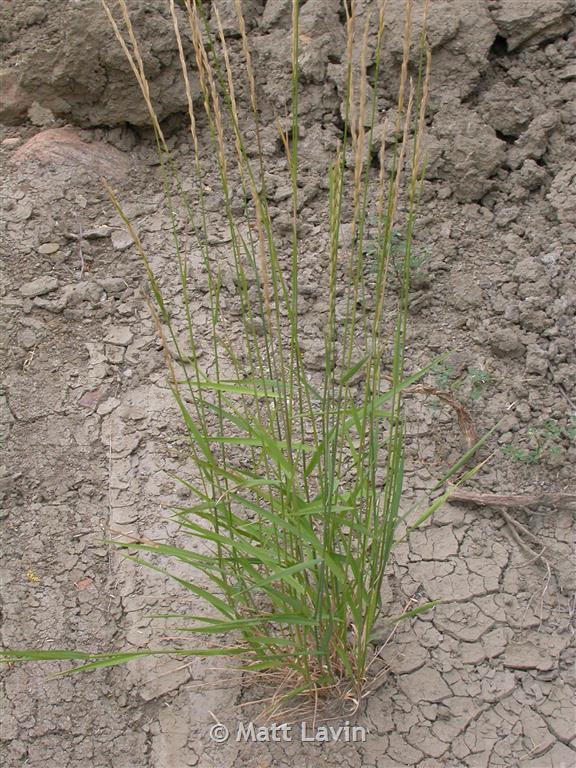
Foliage / Flowers: Bunchgrass with narrow flat leaves (~0.1 in wide); seed stalks 2–3 ft tall; inflorescence is narrow spicate raceme 2–10 in long with 3–7 flowered spikelets
Light Requirements: Full sun to partial shade; thrives in open conditions
Growth Rate: Rapid early spring growth; cool-season C3 grass; seeds mature by late summer
20-year Height: 2–3 ft (typically 2–2.5 ft)
Elevation Range: Sea level up to approximately 11,500 ft (noted range 4,300–11,500 ft)
Cold Hardiness: Hardy to USDA Zone ~2; tolerates –40 °F; survives long cold seasons
Fire Tolerance: High; resprouts or reestablishes rapidly from seed following fire
Wind Tolerance: Excellent; withstands wind, grazing, trampling
Soil Preference: Well-drained sandy to clay loams; tolerates alkaline and saline conditions; avoids poorly drained or overly wet soils
Alkali / Saline Soil Tolerance: Moderate to high tolerance of alkaline and saline soils
Life Span: Short-lived perennial; typically 3–5 years; occasionally up to ~10 years
Minimum Annual Precip: Thrives in areas with ≥10–14 in annual precipitation; low-end range is ~10 in
Drought Tolerance: Very good once established; moderate tolerance, prefers less drought than some wheatgrasses
Windbreak Spacing: For erosion control or restoration, seed in clumps or rows spaced ~1.5–3 ft apart (similar to Sandberg)
Potential Pests / Disease: Generally few issues; resilient; no significant widespread pests listed
Deer Resistance: Palatable to deer, elk, moose, bighorn sheep; livestock also graze it
Wildlife Value: High
- Provides forage for ungulates and livestock;
- Seeds eaten by small mammals, birds and insects
- Host plant for insects and pollinators
- Provides cover and nesting for upland game birds, small mammals, waterfowl