DNRC Montana Conservation Seedling Nursery
Western White Clematis
Western White Clematis
Out of stock
*ORDERING QUANTITIES - our seedlings are sold in bulk*
10 - 27 cu. in. seedlings are sold in bundles of 24 (1 unit = 24 seedlings)
100 & 175 cu. in. seedlings are sold in bundles of 9 (1 unit = 9 seedlings)
------------------------------------------------
Natural Habitat: Native to western North America. Common along riverbanks, streams, irrigation ditches, floodplains, shrublands, and forest edges. Often climbs through shrubs and trees in moist to moderately dry sites.
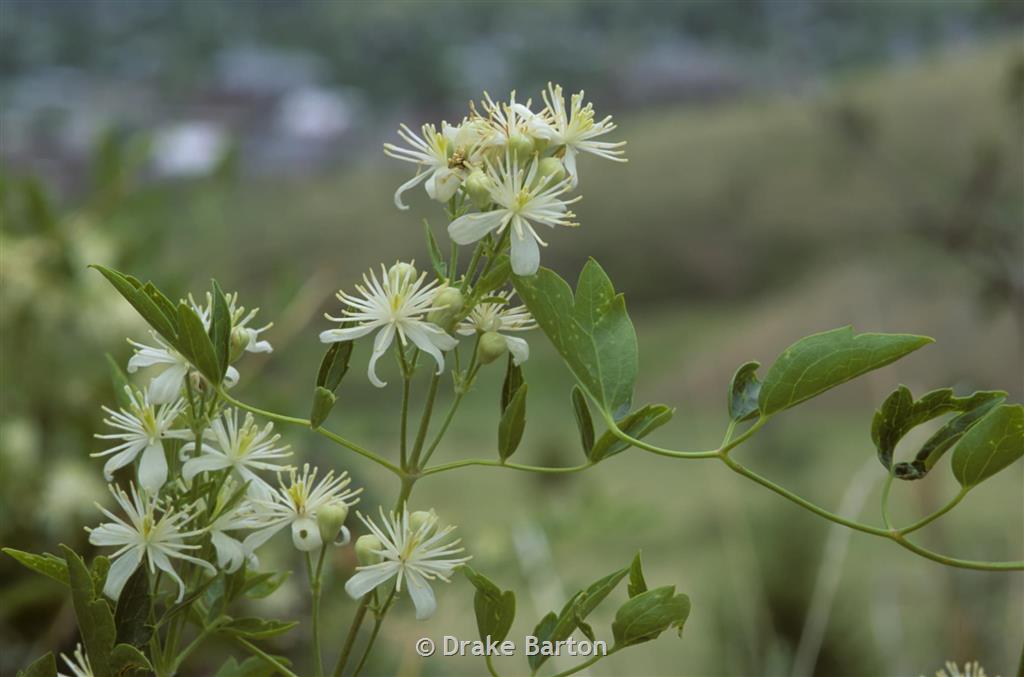
Foliage / Flowers: Deciduous woody vine with compound green leaves. Produces abundant fragrant white flowers in mid to late summer, followed by distinctive feathery seed heads that persist into fall and winter.
Light Requirements: Full sun to partial shade; flowers best with sun on upper growth and shaded roots
Growth Rate: Fast
20-year Height: Climbing vine reaching 15–30+ feet when supported
Elevation Range: 2,000–7,500 feet
Cold Hardiness: Zone 3–8
Wind Tolerance: Moderate, benefits from support and protection from extreme exposure
Soil Preference: Prefers moist, well-drained loam soils; tolerates sandy or gravelly soils and periodic flooding once established
Alkali / Saline Soil Tolerance: Moderate tolerance
Life Span: 20–40+ years
Minimum Annual Precipitation: 14–18 inches (or supplemental moisture from nearby water sources)
Drought Tolerance: Moderate once established
Windbreak Spacing: Not used for windbreaks; space 6–10 feet apart when planting along fences, trellises, or shrubs.
Potential Pests / Disease: Generally low pest pressure; occasional aphids, spider mites, powdery mildew, or clematis wilt in stressed plants.
Deer Resistance: Moderate, may experience light browsing
Wildlife Value:
• Excellent late-season nectar source for native pollinators
• Dense cover for birds and small mammals
• Seed heads used for nesting material
• Stabilizes streambanks and riparian edges